Key Takeaways
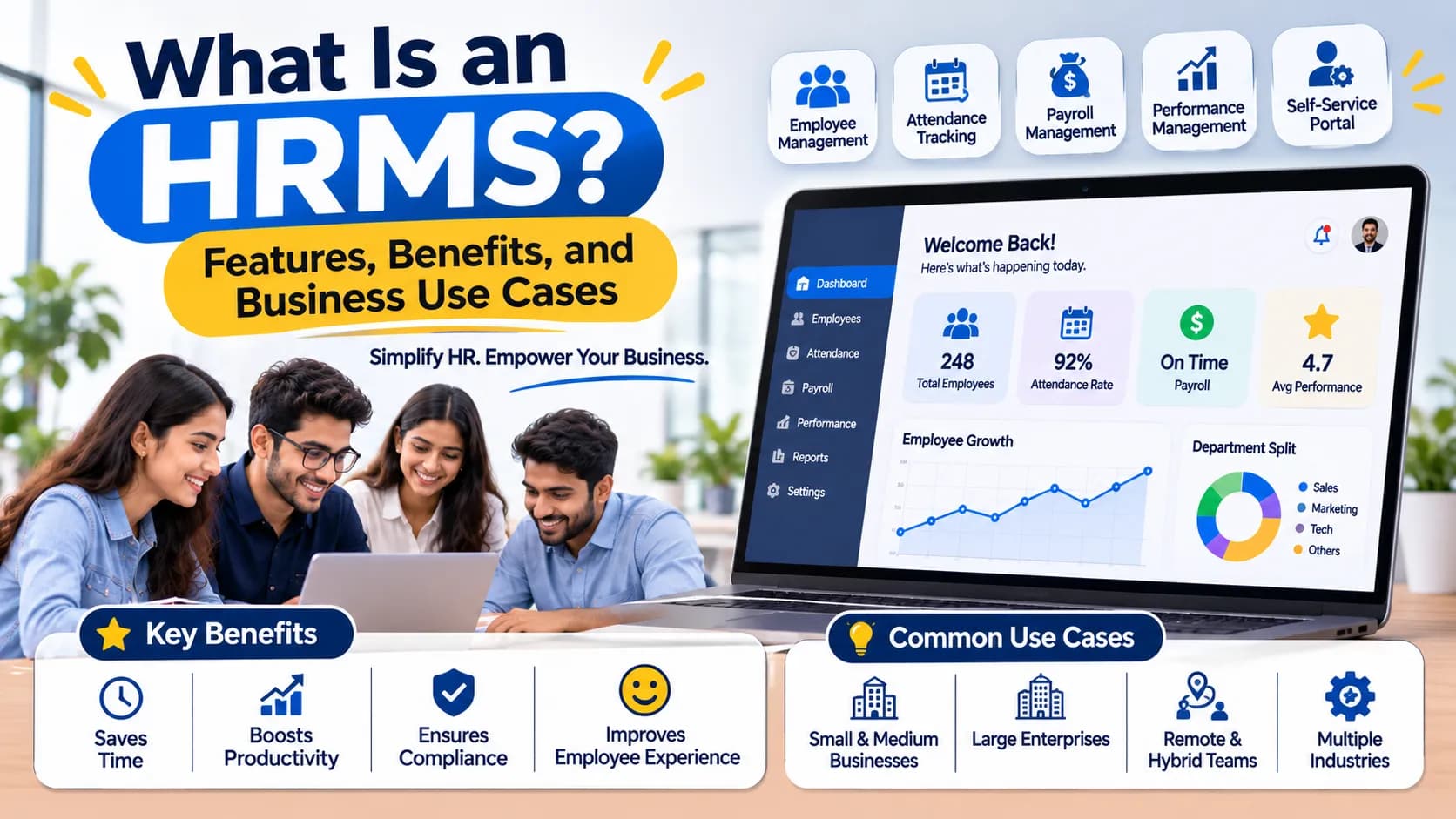
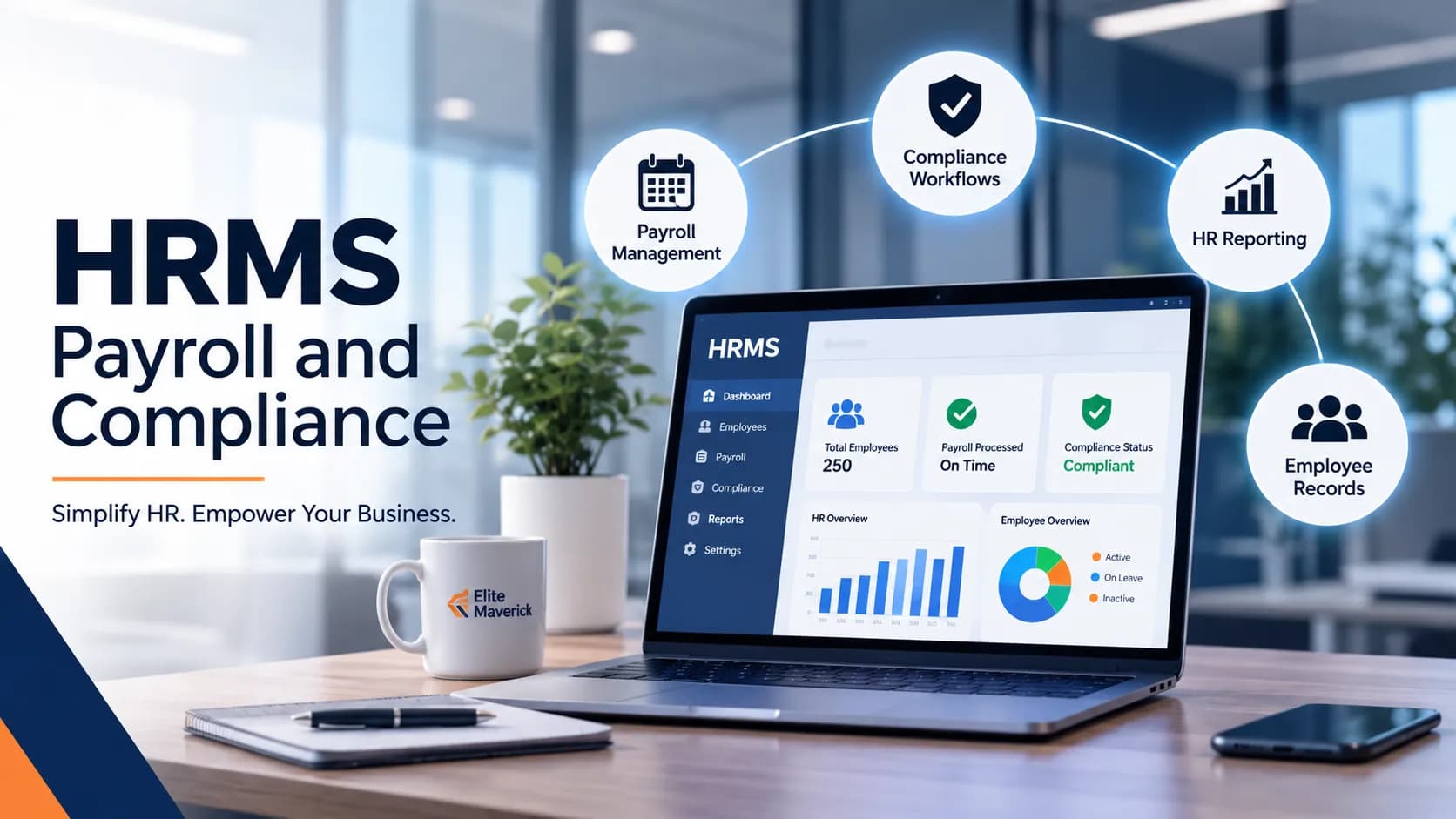
- Simplified Payroll Management: An HRMS helps manage salary calculations, attendance, leave, deductions, and payroll records in one organized system.
- Better Compliance Management: It helps businesses maintain employee documents, payroll information, and compliance-related records.
- Centralized Employee Records: Keeping employee information in one place reduces duplicate records and makes important details easier to access.
- Improved HR Reporting: HRMS reports help managers monitor payroll costs, attendance, leave, and workforce information.
- Choose the Right HRMS: Businesses should consider payroll features, compliance support, reporting capabilities, ease of use, and scalability.
- Regular Monitoring Matters: An HRMS can simplify HR processes, but accurate data, proper configuration, employee training, and regular reviews are still essential.
Table of Contents
- 1. Quick Answer
- 2. What's the role of an HRMS in Payroll Management?
- 3. How Does an HRMS Help Businesses Maintain Compliance
- 4. Why Are Employee Records Important for Payroll and HR Reporting?
- 5. How Does HRMS Reporting Improve Business Decisions?
- 6. What Business Look For
- 7. Common Mistakes to Avoid
- 8. How Can Elite Maverick Help?
- 9. Final Thoughts
Quick Answer
An HRMS will help manage your business' payroll, staff details, compliance and reporting. Removing any repetition, keeping essential staff details in order and helping you keep track of your payroll.
What's the role of an HRMS in Payroll Management?
Payroll isn’t simply just calculating salaries. It can involve managing staff attendance, hours, deductions, bonuses, leave and keeping track of payments made.
When done manually it can be easy for errors to occur during data entry which can cause issues with salary calculations. Having a payroll management feature within your HRMS will help organise the necessary information.
Some common payroll tasks include:
- Salary calculations – Salary breakdown, allowances and deductions.
- Attendance – Attendance and hours.
- Leave – Approved leave and unpaid leave.
- Payroll – Salary statements and payments.
- Reporting – Reporting on salary costs.
For example, a company with 100 staff members will struggle to keep track of attendance for each of its departments. With a centralized HRMS it will be easier to manage staff details.
How Does an HRMS Help Businesses Maintain Compliance
It will be important to have a uniform process for payroll and HR compliance. You will have to ensure that you are compliant with employment laws, tax, social security and workplace laws. These will vary depending on where your business is based.
If you don’t have all the necessary documents, up-to-date employee information or incorrect payroll information then you could run into unnecessary compliance issues.
An HRMS will help with compliance by keeping your information organised.
Some key compliance features to look out for include:
- Employee records – Keeping employee information organised including when they joined, employment details and important documents.
- Payroll – Keeping salary, deductions and payroll information available.
- Attendance & Leave – Keeping track of attendance, hours and leave.
- Compliance documents – Keeping compliance information organised.
- Updating – Making it easier for HR to see what employee information is missing/updating.
However, just because you have an HRMS doesn’t mean you will be compliant. You need to make sure you set up the system to meet local compliance and regularly review any changes to employment/payroll.
Why Are Employee Records Important for Payroll and HR Reporting?
Having accurate employee information is key for effective HR management. This will include knowing what designation they have, what department they’re in, what their salary structure is, when they joined, attendance and leave.
If you store employee information in multiple files it can be difficult to know which one is the most up to date.
Having a central database will help ensure your information is consistent, reduce duplicate/incomplete information and allow you to easily obtain employee details.This will also help with managing your payroll as you will have up-to-date information.
How Does HRMS Reporting Improve Business Decisions?
Using your HR data within reports will provide your managers with insights that can assist them in making decisions. Having data in a report format will help you get to grips with the key data from your various spreadsheets.
By having a good reporting process within your HRMS you can understand:
| Report Type | Information It Helps Track |
|---|---|
| Payroll Reports | Salary costs, deductions and payroll. |
| Attendance | Hours worked, absences and attendance. |
| Employee Reports | Number of employees, departments and employee information. |
| Leave Reports | Leave balance and usage. |
| Compliance Reports | Relevant documentation and compliance records |
It will give HR managers an idea of trends and what they need from their employees.
If there is a particular department with consistently high overtime hours they can look into the reasons why and whether they require more staff.
Payroll reports can help finance and HR understand what they’re spending on salaries and help them budget for their workforce.
What Business Look For
Not all HRMS’ offer the same features. Consider what you currently need from your HR.
Key factors to consider include:
1. Payroll
Ensure the system will help with your payroll structure and manage salary information, deductions and payroll.
2. Employee Information
Ensure there is a central database to make managing employee information easier.
3. Compliance
Ensure the system can help with relevant documents, reports and processes.
4. Reporting
Ensure there are useful reporting features to help HR understand what they’re spending on payroll, attendance, employee information etc.
5. User Friendly
Ensure the HRMS is easy to use for HR, managers and employees. If it’s too complicated it could lead to low uptake and extra admin.
6. Scalable
Ensure the system can cope with more employees, departments and changing HR requirements.
If you’re looking at different options for workforce management then take a look at Elite Maverick’s HR and business services to see what we can do.
Common Mistakes to Avoid
Just implementing an HRMS won’t be enough. Ensure you have good processes in place.
Common mistakes include:
- Outdated employee information – If you have incorrect information this can cause issues with payroll and reporting.
- Not setting up the system – Ensure you have payroll rules and compliance processes in line with your business.
- No training – Ensure employees using the system know what it can do.
- Not regularly reviewing – Ensure you’re regularly checking payroll information, employee information and compliance documents.
- Over relying on automation – Even though things are automated you still need to have human oversight.
A well managed HRMS will help by having accurate information along with clear roles and regular monitoring.
How Can Elite Maverick Help?
Streamline your HR functions by integrating Payroll, Compliance, Performance Management and Reporting.
Elite Maverick provides an HRMS solution which includes managing staff information, Payroll and Compliance, Performance Management and Reporting. This can help to put in place a more systematic process to manage key areas of HR.
Find out more about our Workforce solutions and industry expertise by following us on LinkedIn.
The approach taken to your HRMS will depend on the size of your workforce, how your payroll is structured and what specific requirements you have.
Final Thoughts
It can be difficult to run your organisation’s payroll, compliance and employee information when they become larger. An HRMS will help you with organisation of data and make your payroll processes easier to run, alongside making it easier to report on HR. However, ensure that your system is suitable and can give you accurate employee information. If implemented correctly with regular monitoring, an HRMS can help save HR time on repetitive tasks. Get in touch with us if you’re looking at HRMS solutions.
Frequently Asked Questions
What is HRMS payroll and compliance?
This involves using an HRMS to manage payroll, employee information and HR compliance.
Can an HRMS automatically calculate payrolls?
Yes, depending on what features it has, an HRMS can be used to automatically calculate salaries. This will be done by having a payroll structure set up and using employee information such as salary, attendance, leave and deductions.
How can an HRMS help with compliance?
It will help you keep employee information, payroll information, attendance information and other relevant information.
Why is HR reporting important?
It can help businesses understand how much they’re spending on their workforce, attendance, employee information and other activities.
Can a small business use an HRMS?
Yes, it will help you stay on top of your employees' data, improve payroll and have a consistent process.
Will it mean I’m compliant with payroll?
No. You will need to ensure that the system is properly set up and that you are abiding by the regulations. You will need to regularly check that your payroll is correct.